
Here is the uncomfortable truth I learned in a decade of brokering domain deals: the price of a premium domain has very little to do with what it's worth — and everything to do with who is selling it.
I have watched founders pay $20,000 for names that would have sold for $2,000 a year earlier, simply because their startup had gained visibility and the seller knew it. I have also watched patient, well-informed builders walk away with genuinely premium names for less than the cost of a conference ticket.
This guide is the playbook I wish every founder had before opening a "Make an Offer" form. We will cover why aftermarket prices balloon, the four legitimate routes to a premium domain for under $500, and the red flags that separate a bargain from a liability.
Why Premium Domains Cost $2,000 to $50,000 (On Paper)
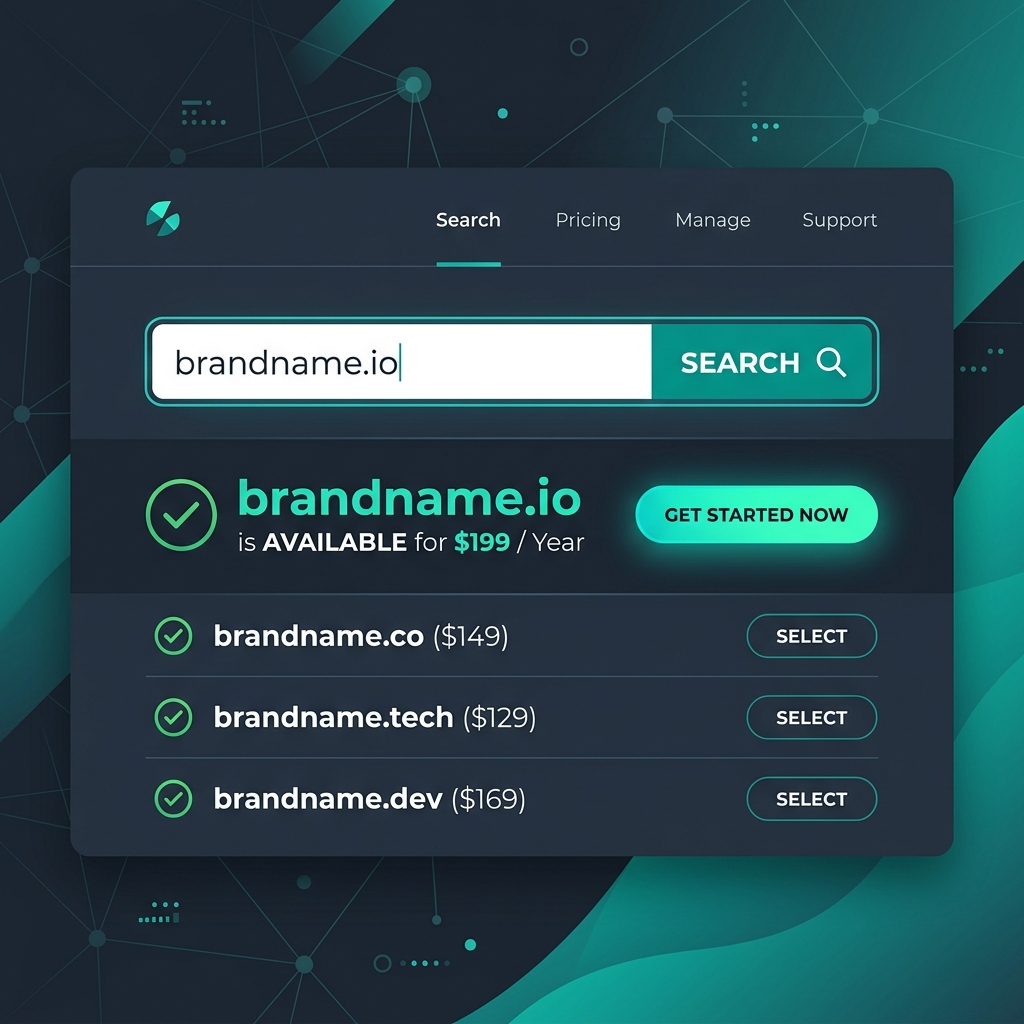
When you search for a name and see a five-figure price tag, you are not looking at a market price. You are looking at a negotiation anchor. Three forces inflate it:
1. Speculative pricing with no floor disclosure
Sellers on traditional marketplaces price for the best-case buyer — a funded startup that must have the name. The founder of Resend documented this perfectly: the asking price for resend.com was $39,999, and he ultimately closed it for $25,000 through weeks of parallel negotiations. The "price" was never the price.
2. Broker and marketplace commissions
Commission-based platforms typically take 15% to 25% of the sale. Sellers know this and bake it into the listing. When you pay $10,000 for a domain, a meaningful slice never touches the domain's value at all — it covers the middleman.
3. Visibility-based repricing
Domain prices rise as you grow. The moment your project hits Product Hunt or a funding announcement goes out, the owner of your dream domain knows your budget just expanded. This is why experienced founders secure names before launch, not after.
The Four Legitimate Ways to Get a Premium Domain Under $500
Route 1: Flat-rate marketplaces (fastest, zero negotiation)
A newer model removes the negotiation layer entirely: curated catalogs where every domain sells for one fixed price. Our marketplace at 199.domains lists 5,000+ handpicked brandable and keyword domains for a flat $199 — checkout via Stripe, transfer initiated within 72 hours, full refund if the transfer fails.
The economics work because flat-rate models trade margin for volume and skip the commission stack. You will not find every name imaginable, but every name listed has been vetted for clean history and trademark conflicts. Start with the featured picks or browse recently added domains.
A few current examples of what $199 buys:
Route 2: Expired domain auctions (cheapest, most work)
Every day, thousands of registered domains expire and drop into auction. Hidden among the junk are genuinely premium names whose owners simply stopped renewing. Winning bids on solid brandables frequently land between $50 and $500 — but you will spend hours filtering, and you inherit whatever history the domain carries. Always check the Wayback Machine before bidding: a domain that previously hosted spam can arrive with a poisoned backlink profile.
Route 3: Exact-match names on modern TLDs
The single biggest arbitrage in naming today: the .com of your ideal name may cost $15,000, while the identical word on .app, .dev, .io, or .ai costs a fraction of that. Industry data shows 54% of startups now use new TLDs as their primary domain, and exact brand-match availability on modern extensions far exceeds .com. For developer tools and apps especially, names like routers.app or sight.dev carry more niche credibility than a compromised .com (think getrouterstool.com).
We broke down the branding mechanics of this in our guide to one-word domains for startups.
Route 4: Direct negotiation (when you must have one specific name)
If your heart is set on a specific owned domain, you can still negotiate well under asking:
- Never reveal your company. Use a personal email; inquire as an individual.
- Open multiple negotiations in parallel on acceptable alternatives — real alternatives give you genuine walk-away power.
- Anchor low and be patient. Opening at 20–30% of ask is normal in this market, not insulting.
- Set a hard deadline. Naming is a notorious founder time-sink; cap the process and take your best alternative if talks stall.
- Use licensed escrow for any direct deal, and confirm the transfer process follows ICANN's transfer policy.
Realistically, direct negotiation under $500 only works on uncontested, low-traffic names. For anything a broker already represents, expect four figures minimum — which is exactly why Routes 1–3 exist.
Cost Comparison: What You Actually Pay
| Factor | Broker / Make-an-Offer | Expired Auctions | Flat-Rate ($199) |
|---|---|---|---|
| Typical total cost | $2,000–$50,000+ | $50–$500 + fees | $199 flat |
| Commission / fees | 15–25% baked in | Auction + escrow fees | None |
| Time to close | 2–8 weeks of negotiation | Days–weeks of hunting | Instant checkout |
| History vetting | Your job | Your job | Done before listing |
| Negotiation required | Heavy | Bidding wars | None |
| Transfer initiation | 1–4 weeks | Varies by registrar | Under 72 hours |
Red Flags When Buying Any Cheap Domain
A low price is only a bargain if the asset is clean. Before any aftermarket purchase, run this five-minute audit:
- Spam history: Check the domain in the Wayback Machine. Past lives as a pharma spam site or link farm follow the domain.
- Toxic backlinks: A backlink profile full of casino and counterfeit anchors means search engines may already distrust the name.
- Trademark conflicts: Search the USPTO trademark database for live marks on the term in your industry. A $199 domain is not cheap if it comes with a cease-and-desist.
- Transfer locks: Domains registered or transferred within the last 60 days are locked under ICANN policy — confirm the seller can actually deliver.
- No escrow or guarantee: If a private seller resists escrow, walk. Reputable marketplaces back transfers with refunds; ours guarantees a 100% refund if transfer fails.
The psychology of why clean, fluent names convert better is its own deep topic — we cover the cognitive science in how a domain name drives trust and conversion.
The Bottom Line
The premium domain market runs on opacity: hidden floors, embedded commissions, and prices that scale with your visibility. The counter-strategy is simple — buy before you're visible, buy where prices are transparent, and never pay for the negotiation theater.
Whether you hunt expired auctions, claim an exact match on a modern TLD, or pick a vetted name off a flat-rate shelf, a genuinely premium domain under $500 is not a unicorn in 2026. It's a process.